Ideal Concrete Block Company has manufactured the finest masonry products in New England for over 100 years. You can feel confident using Ideal products. Concrete blocks offer a versatile and durable solution for various landscaping needs. They can be used to create stunning visual appeal, functional structures, and long-lasting installations. Here’s a guide on how to use concrete blocks effectively in landscaping projects.
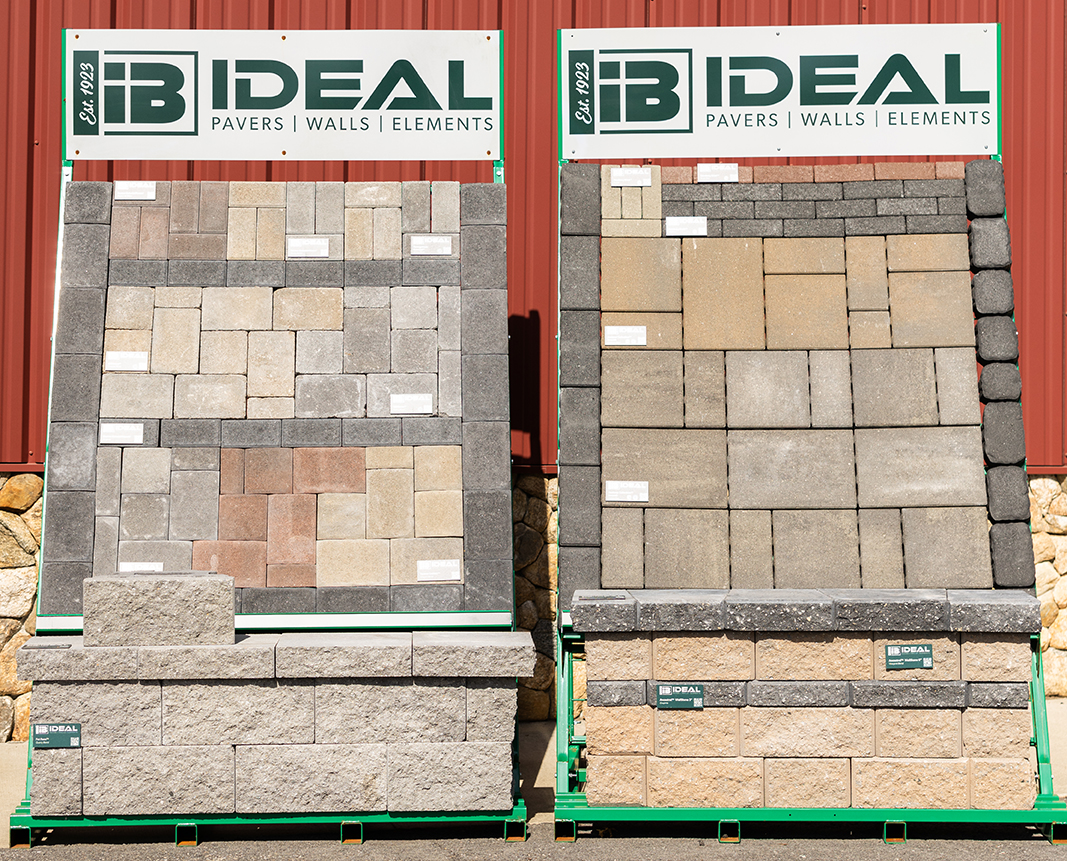
On Site Diplays
Applications of Concrete Blocks
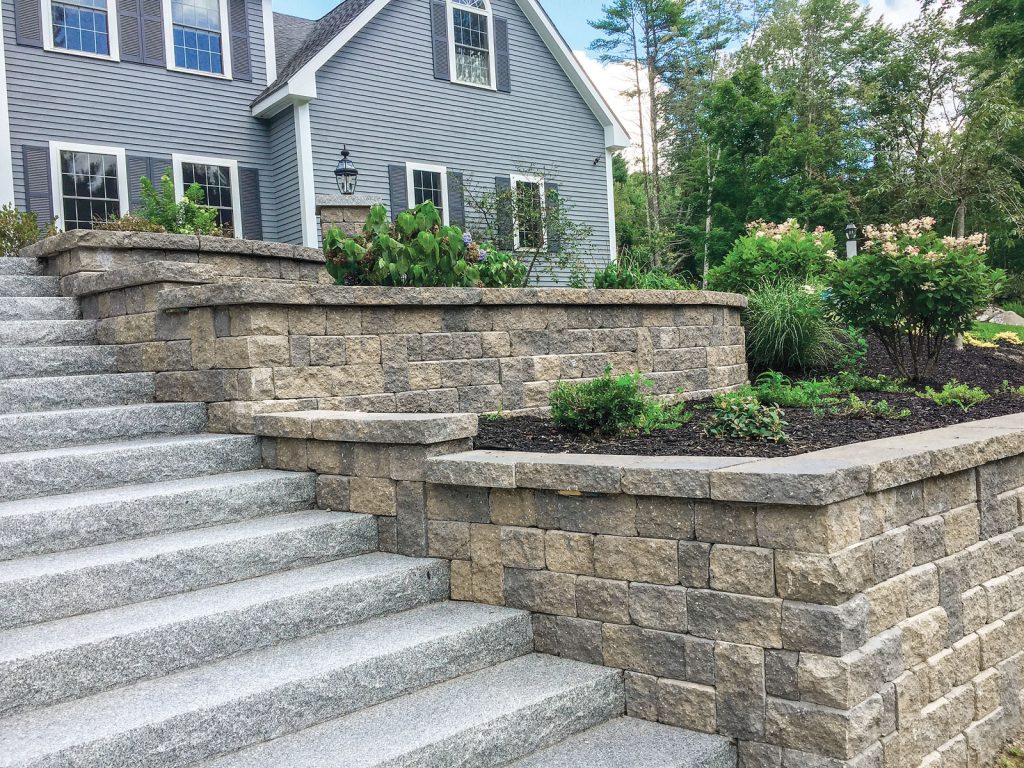
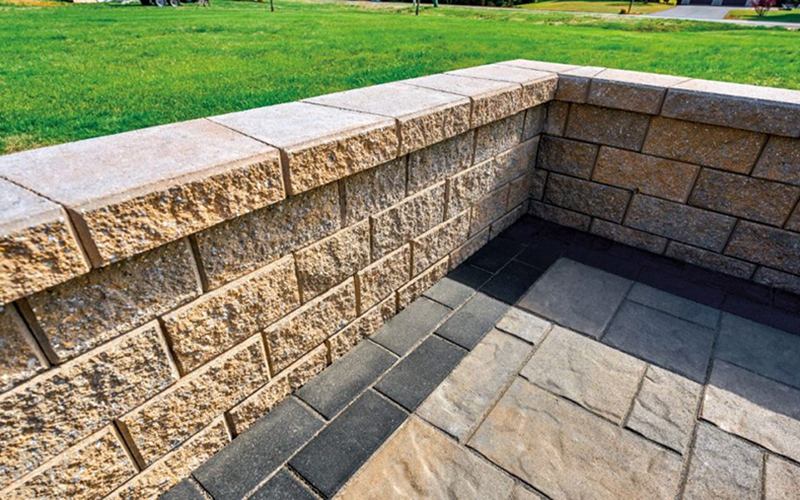
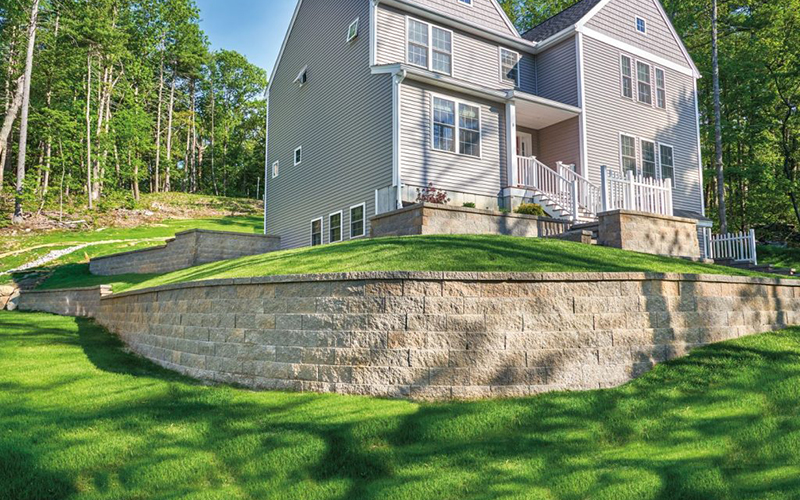
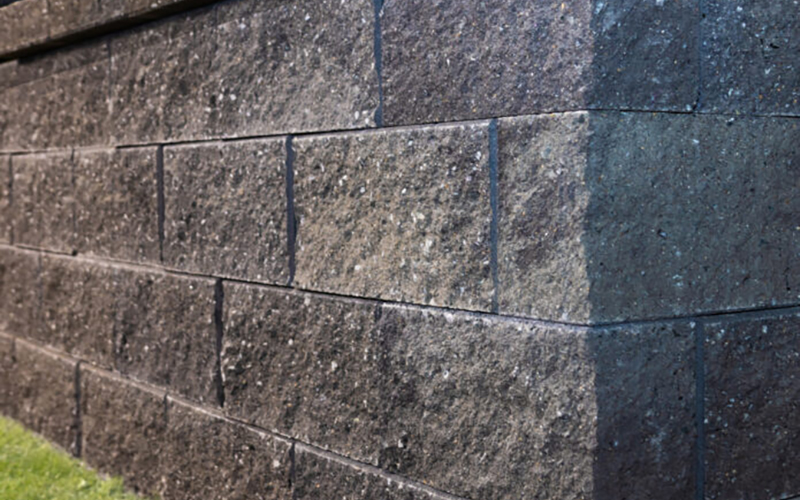
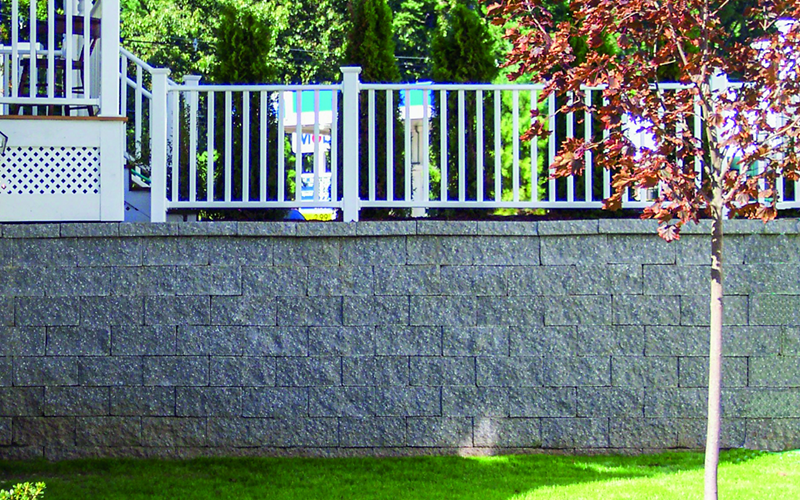
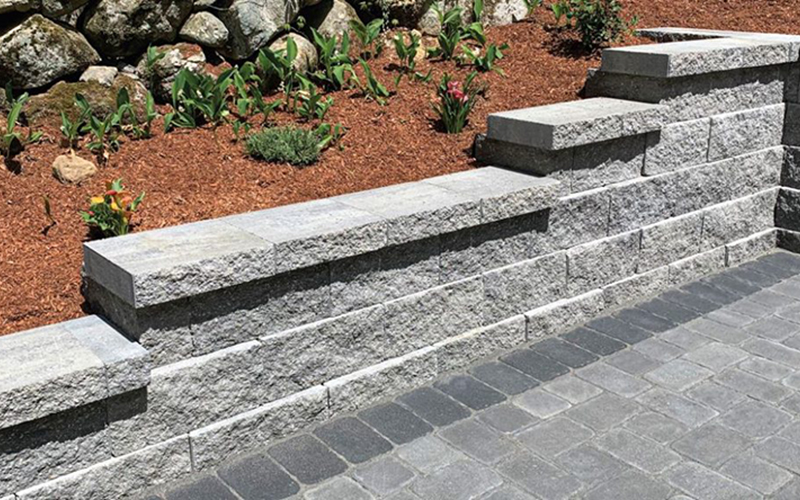
Retaining Walls
Purpose: Retaining walls help to manage slopes and prevent soil erosion.
Application: Stack concrete blocks to create a solid wall. Use interlocking blocks for added stability.
Presentation: Choose blocks with decorative faces for a polished look. Incorporate plants or decorative stones for added texture.
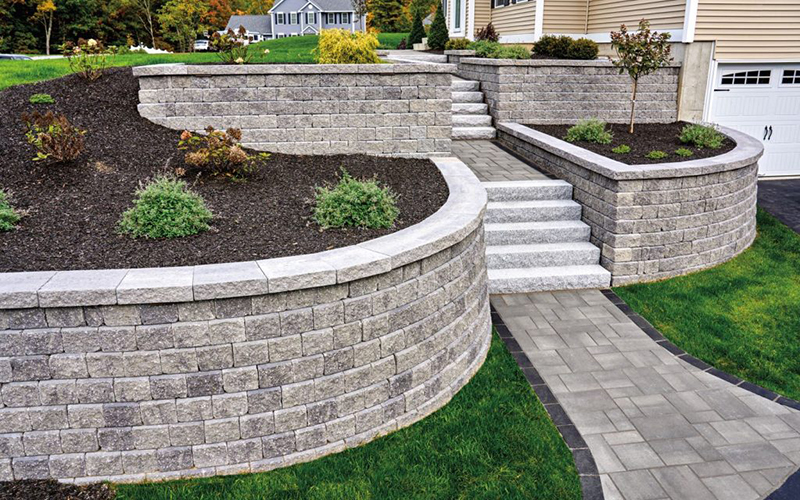
Garden Beds
Purpose: Elevate plants, improve drainage, and define garden spaces.
Application: Arrange blocks in a rectangular or circular pattern to create raised beds.
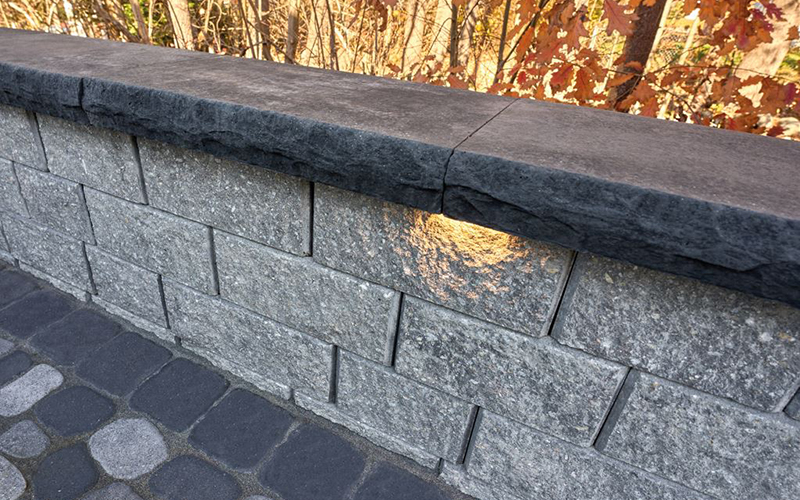
Presentation: Paint or stain blocks to complement garden aesthetics. Add a capstone for a finished appearance.
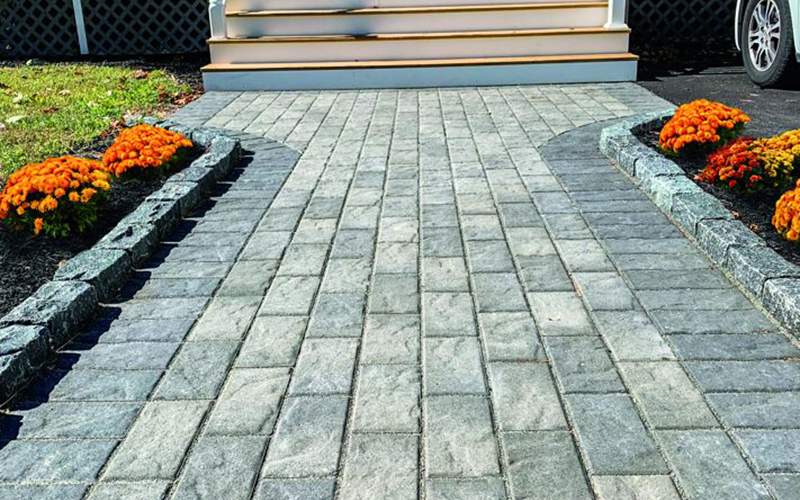
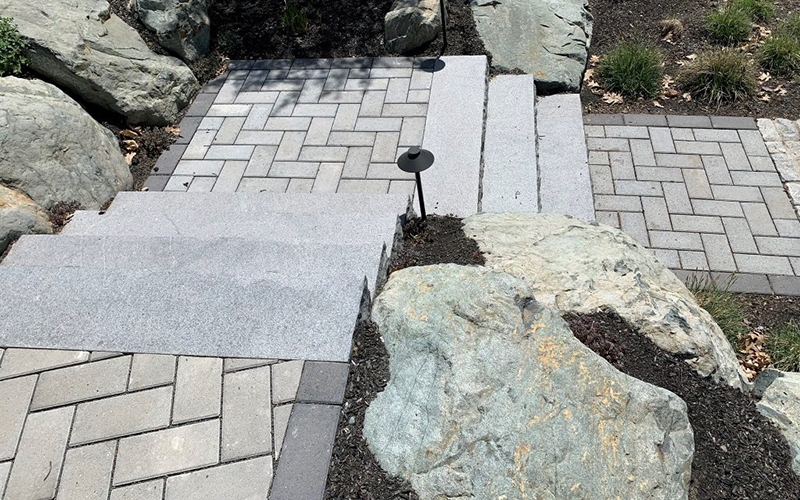
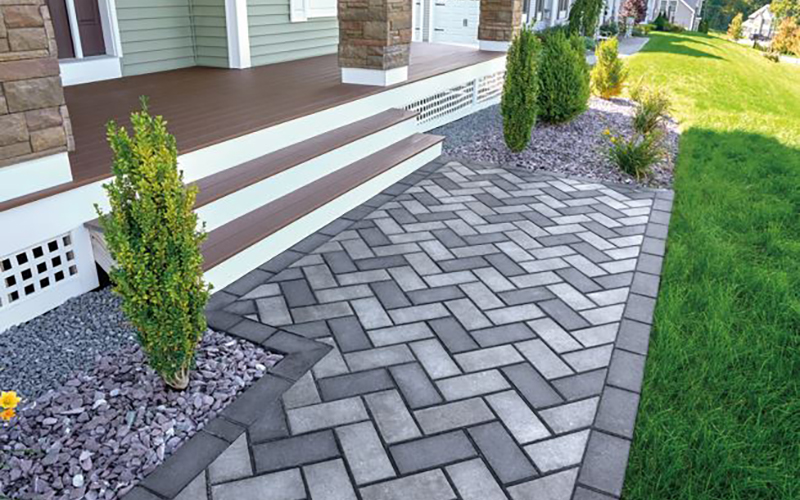
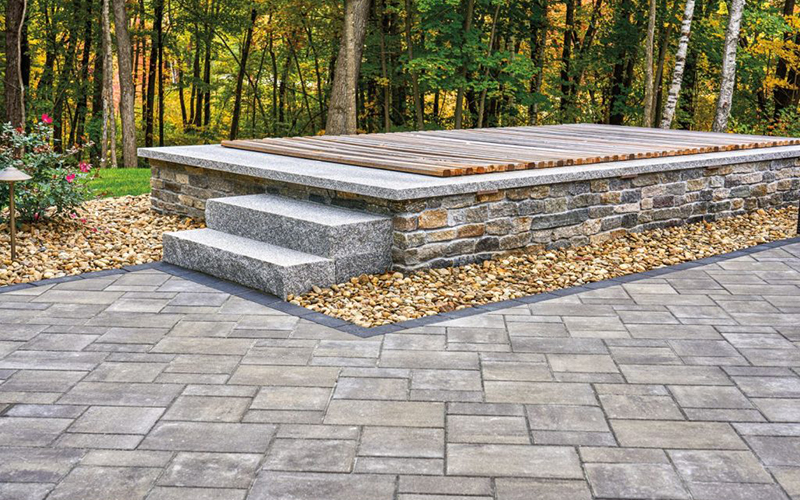
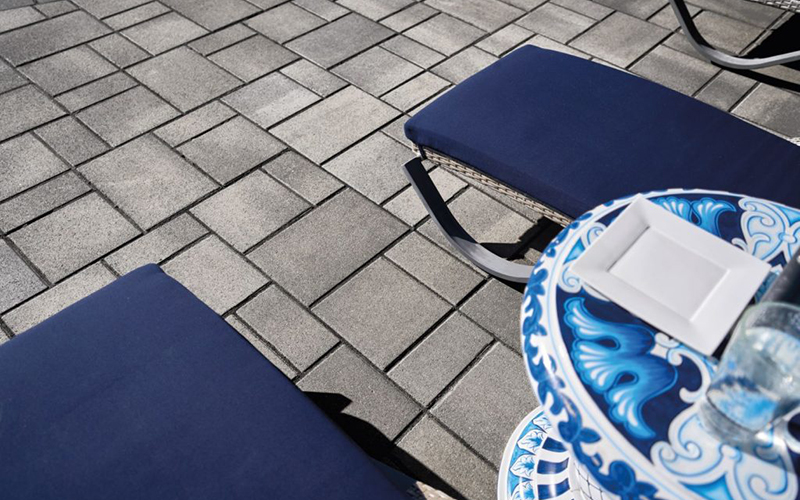
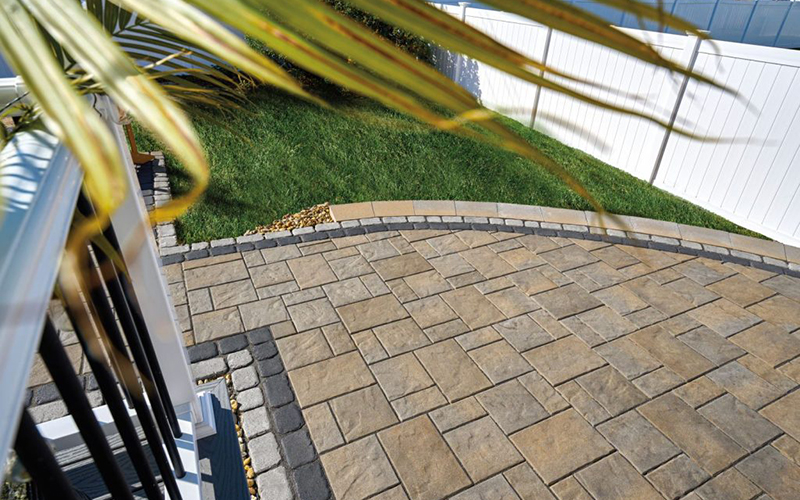
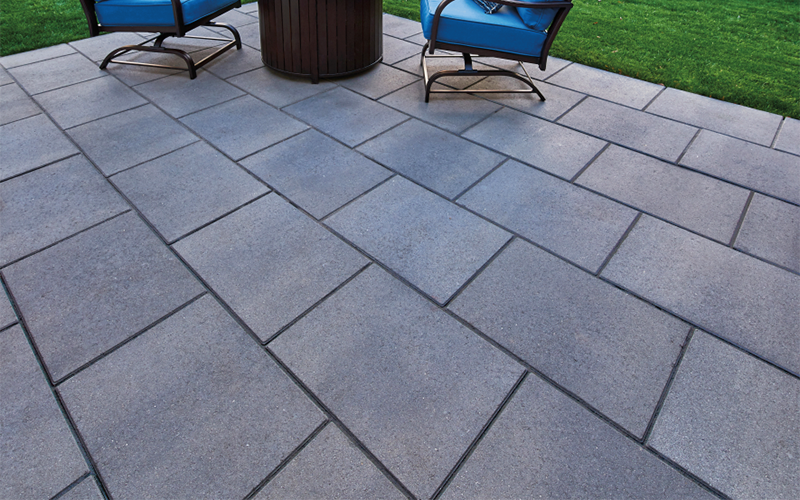
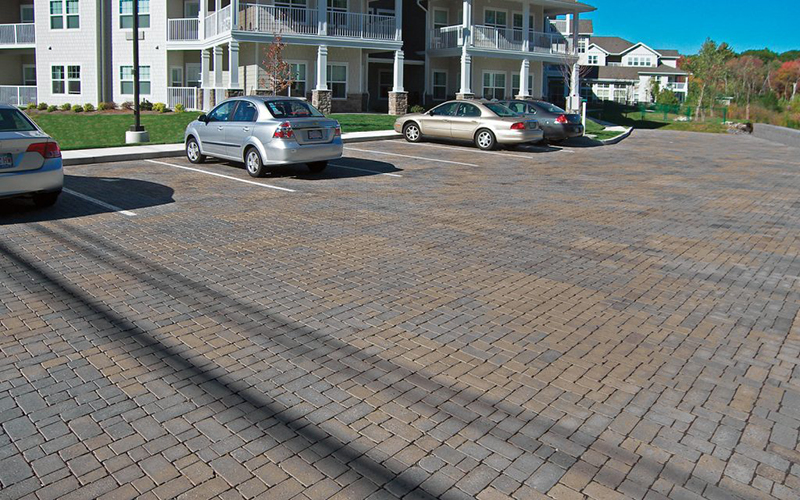
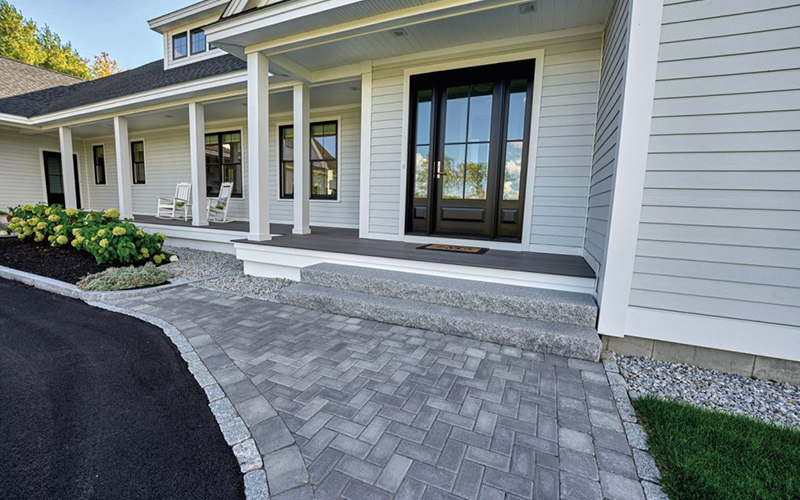
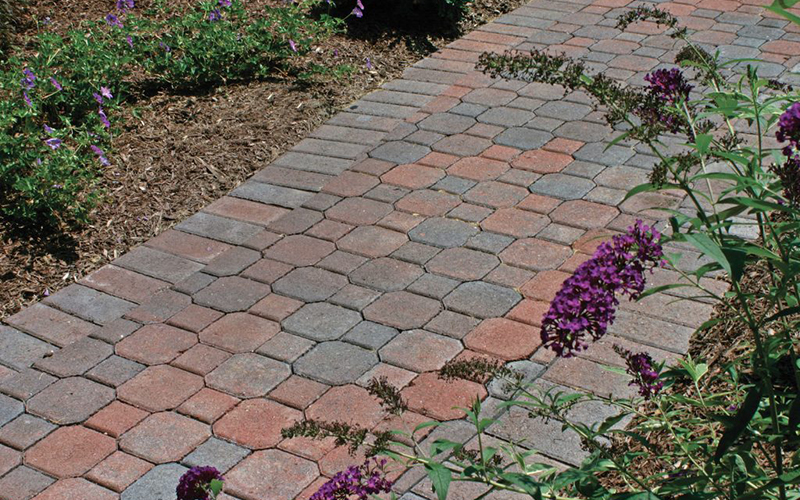
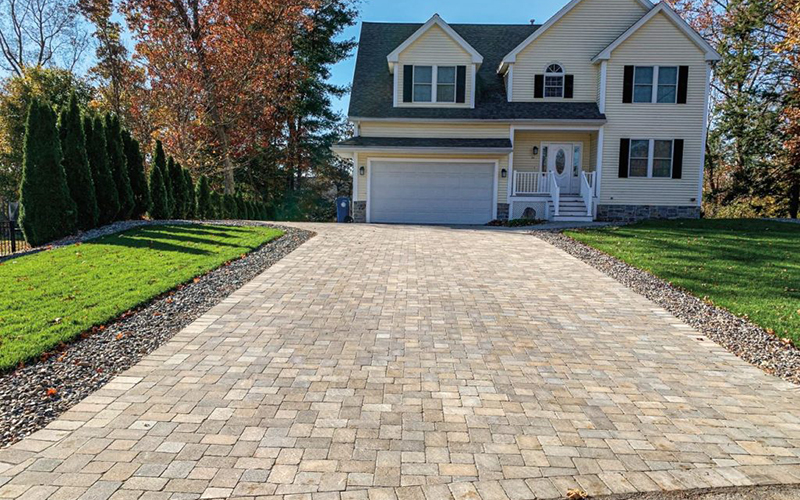
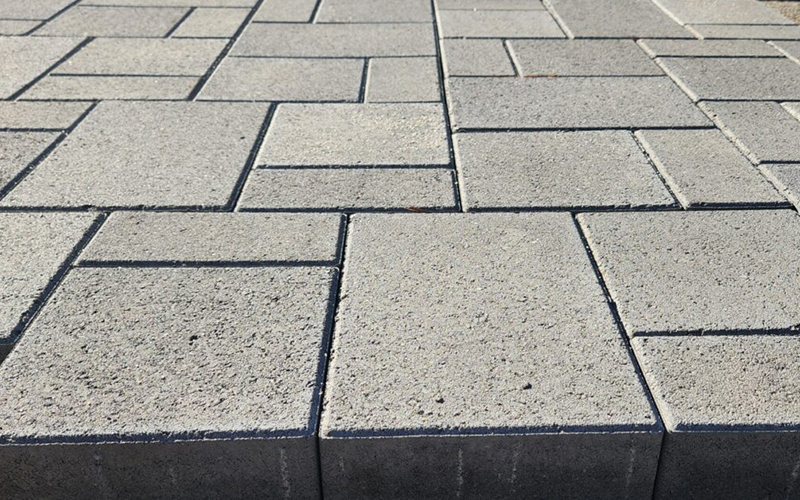
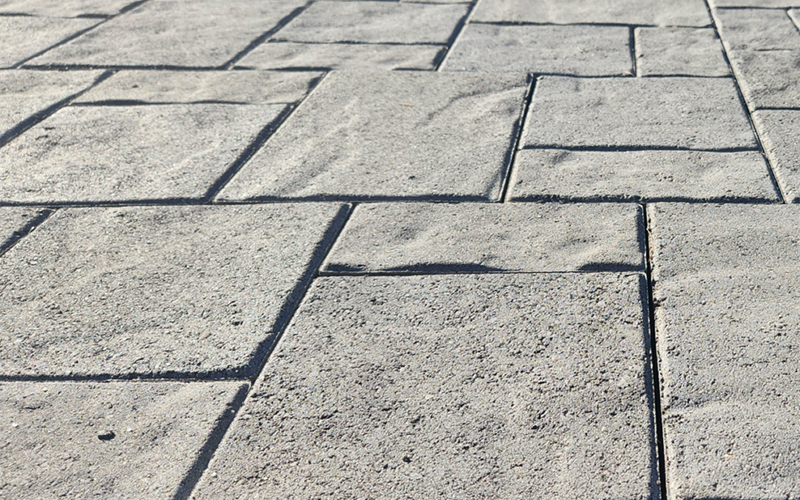
Pathways and Patios
Purpose: Provide a solid walking surface and define outdoor spaces.
Application: Lay blocks in desired pattern and fill gaps with sand or gravel.
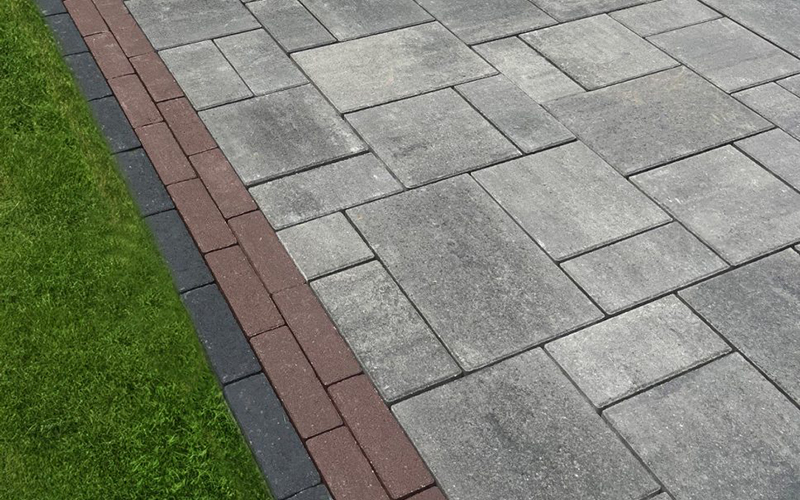
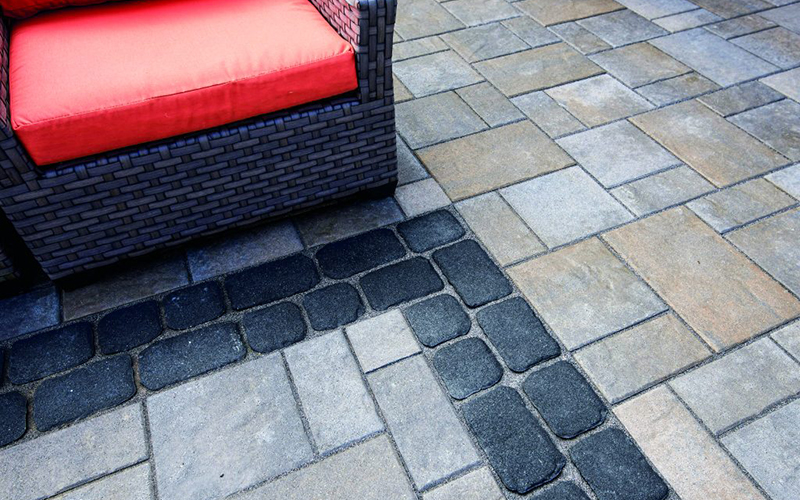
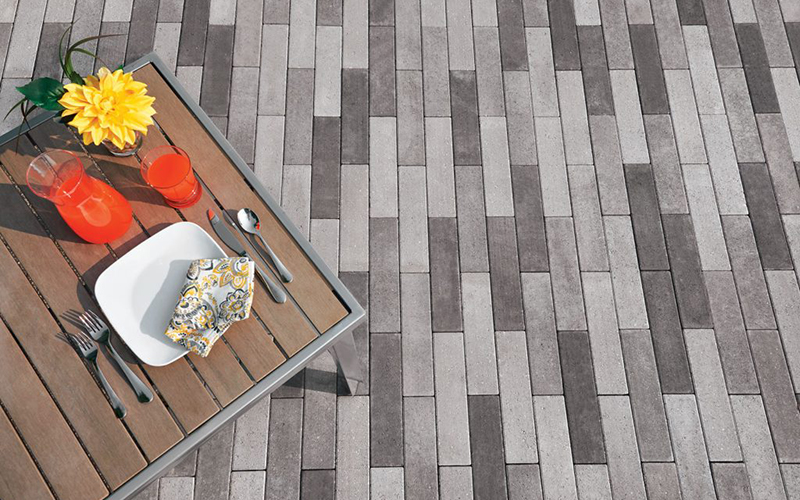
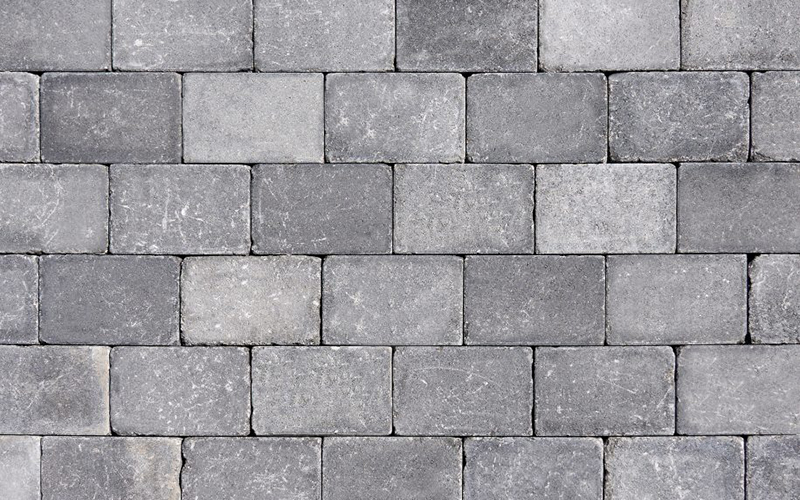
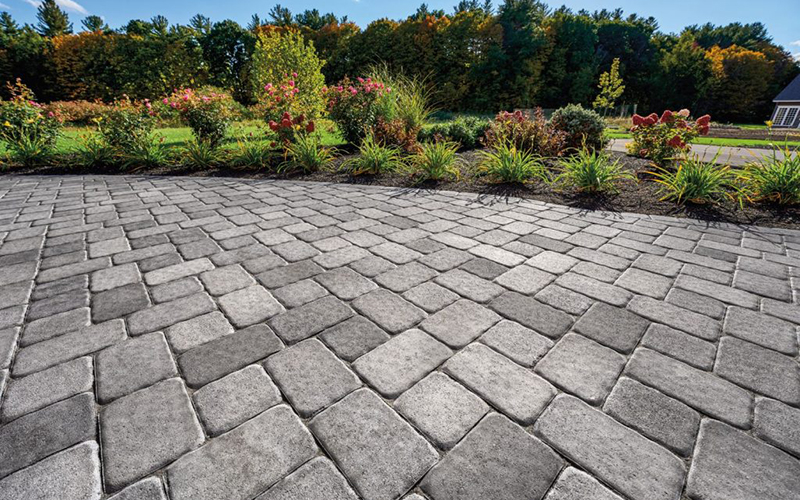
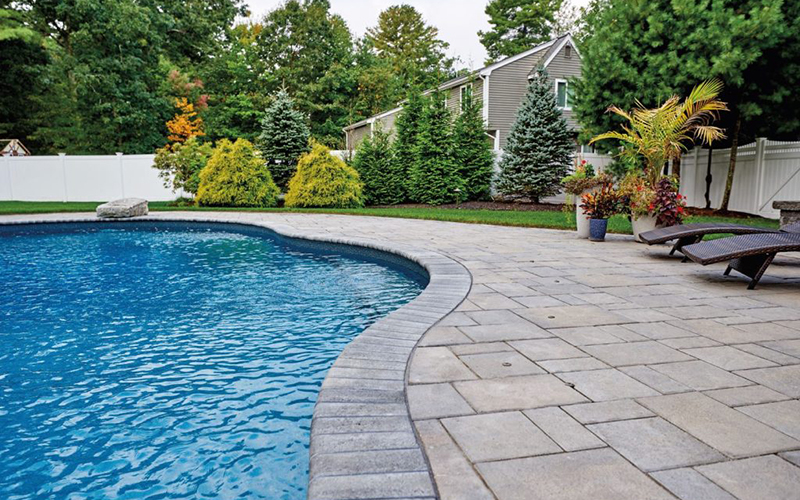
Presentation: Use blocks of varying colors or textures to create interesting designs. Define edges with a contrasting border.
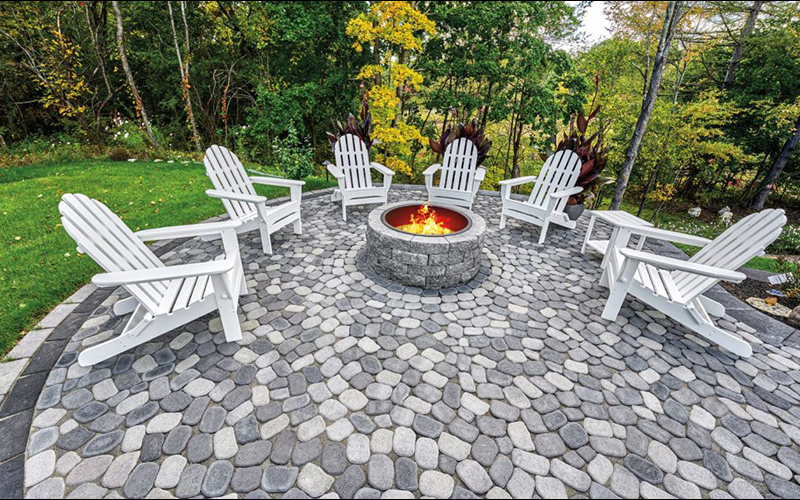
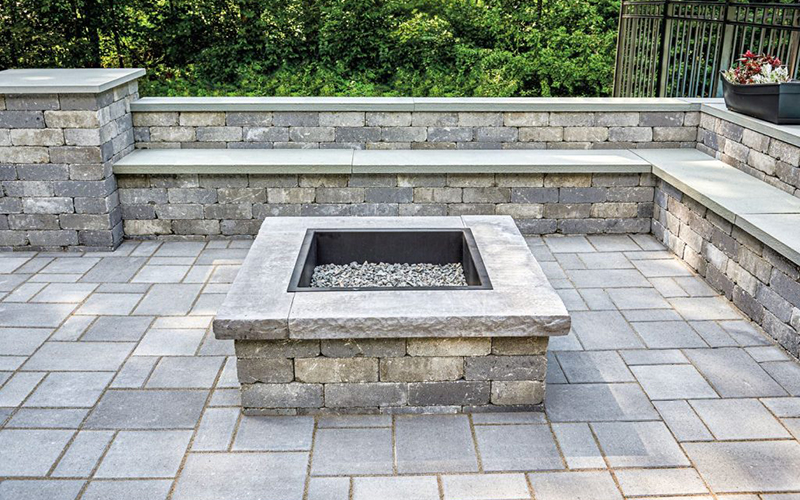
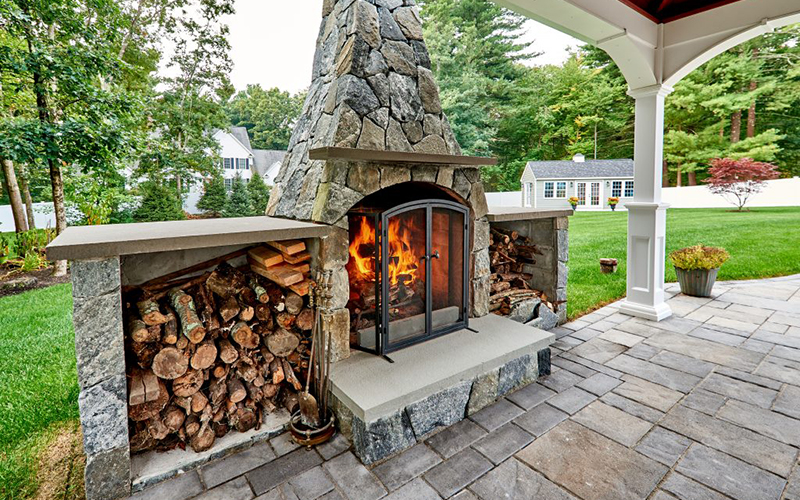
Outdoor Fireplaces and Fire Pits
Purpose: Create a focal point for outdoor gatherings.
Application: Arrange blocks in a circle for fire pits or stack them to build fireplaces.
Presentation: Use heat-resistant blocks and line interiors with fire bricks. Incorporate seating with matching blocks.
Garden Edging
Purpose: Clearly define garden boundaries and prevent soil spillage.
Application: Place blocks along the edge of garden beds.
Presentation: Use smaller blocks for subtle edging or larger blocks for a bold statement.
Presentation Tips
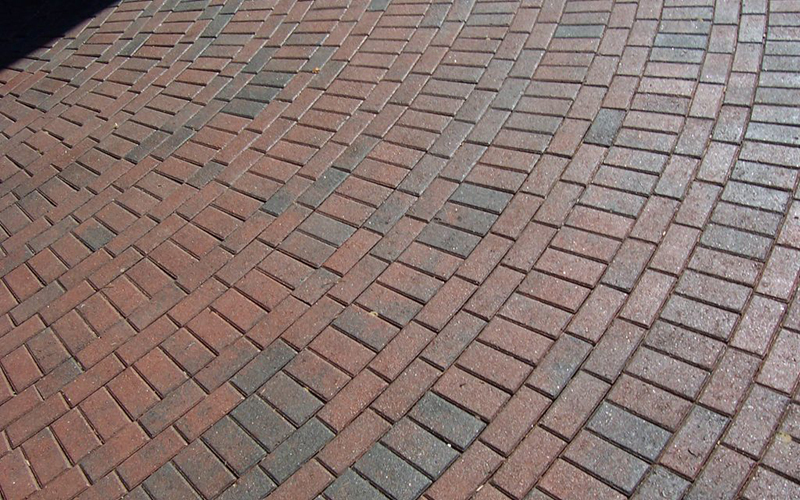
Color and Texture: Choose blocks that complement your existing landscape. Consider using textured or colored blocks for added visual interest.
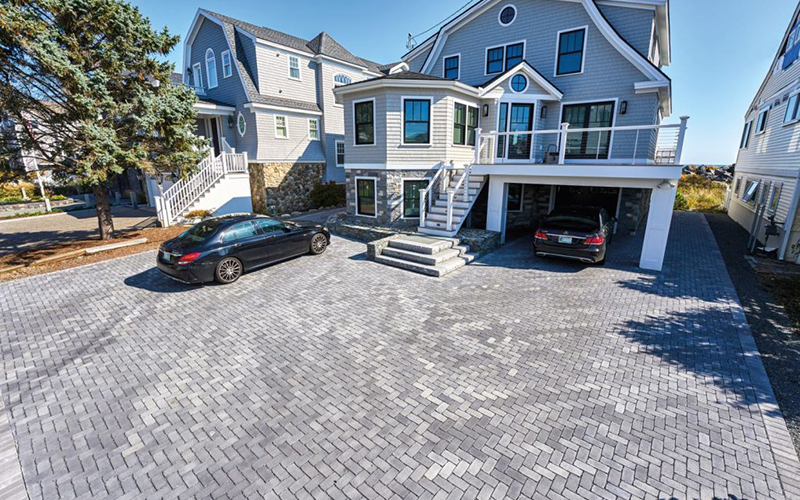
Patterns and Designs: Experiment with different block layouts, such as herringbone or basket weave, to create unique patterns.
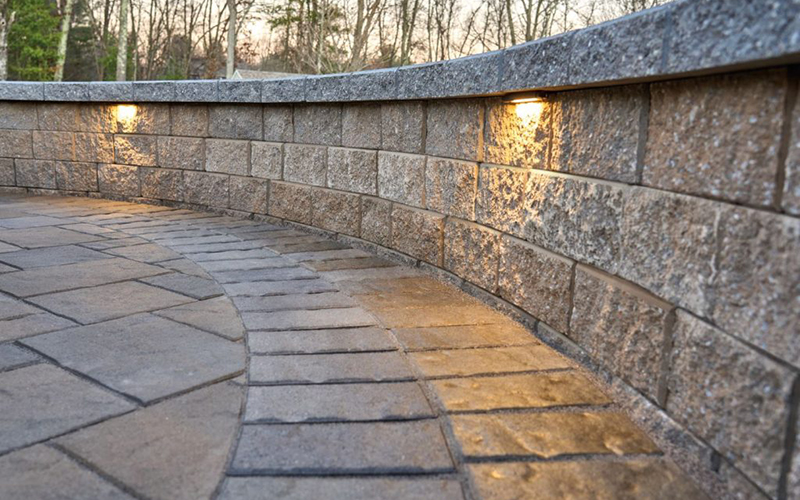
Lighting: Incorporate solar lights or LED strips within block structures to enhance night-time aesthetics.
Exciting Collections
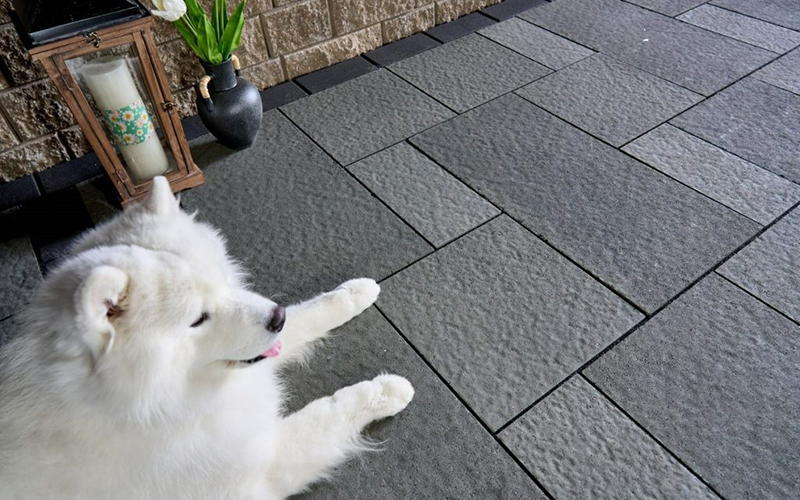
Andover 5511™ StoneCleft
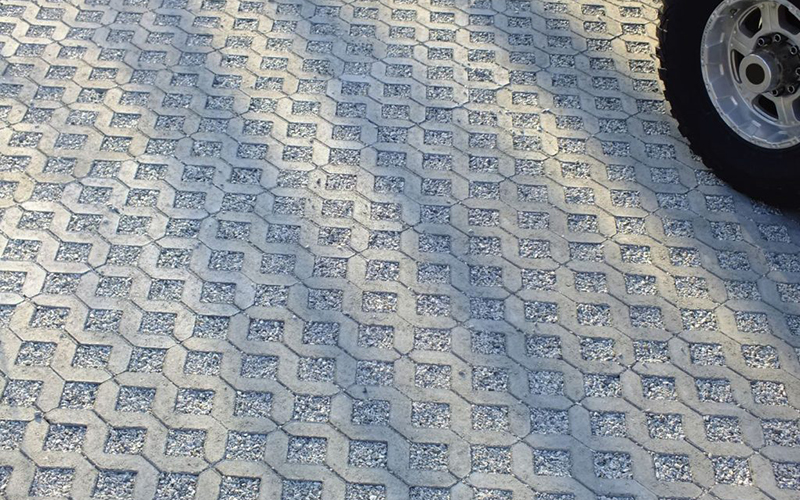
Andover 5511™ Smooth Permeable
Andover 5511™ Smooth
Andover Collection™ Permeable
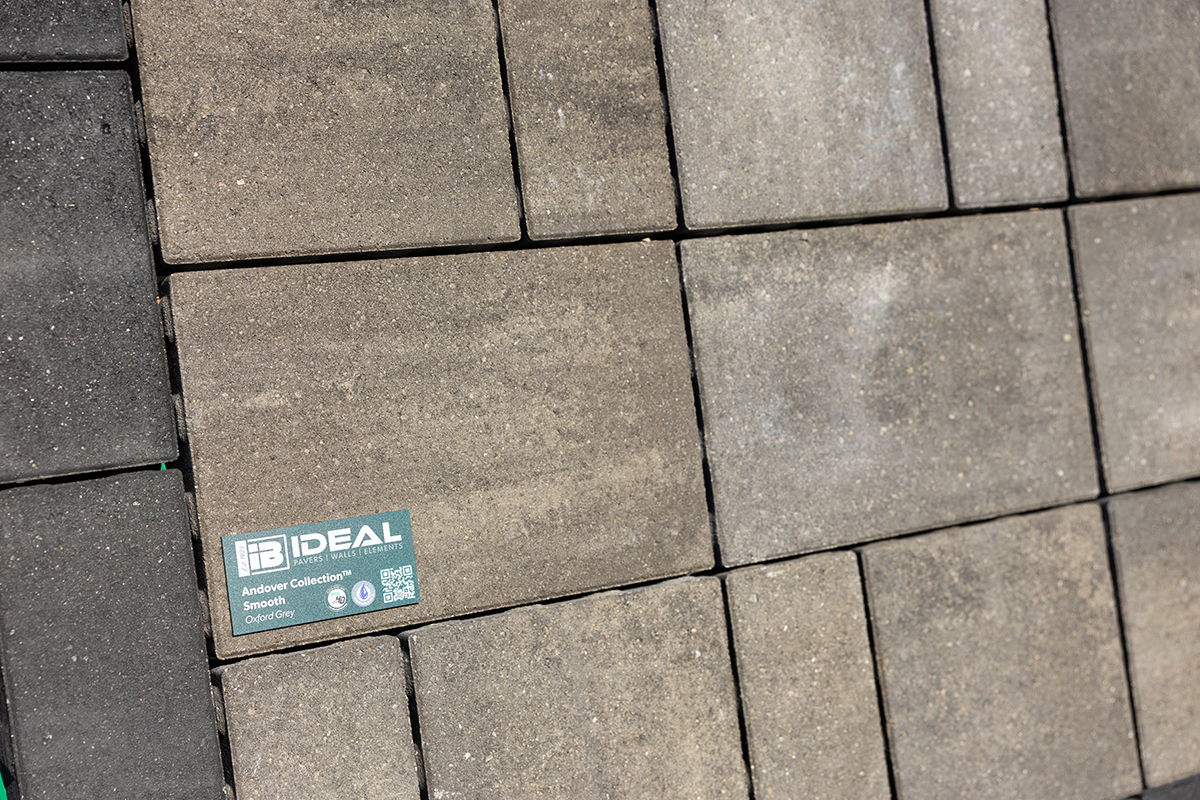
Andover Collection™ Smooth
Andover Collection™ StoneCleft
Andover GrandStone™ Smooth
Aqua-Bric®
Aqua-Bric
®
8
Boston Colonial Pavers®
Boston Colonial Pavers® 8cm
BrookStone™
Encora
™
Georgetown Colonial
™
MillStone
™
Newbury Brick™
Portsmouth Cobble
™
Ridge Hill Collection
™
Smooth
Ridge Hill Collection
™
StoneCleft
StraightLine
™
Town N’ Country
™
Turfstone
™
Windsor Slab
™
Yankee Cobble
™
8″ BullNose Coping
Ancestral
™
Coping
Ancestral
™
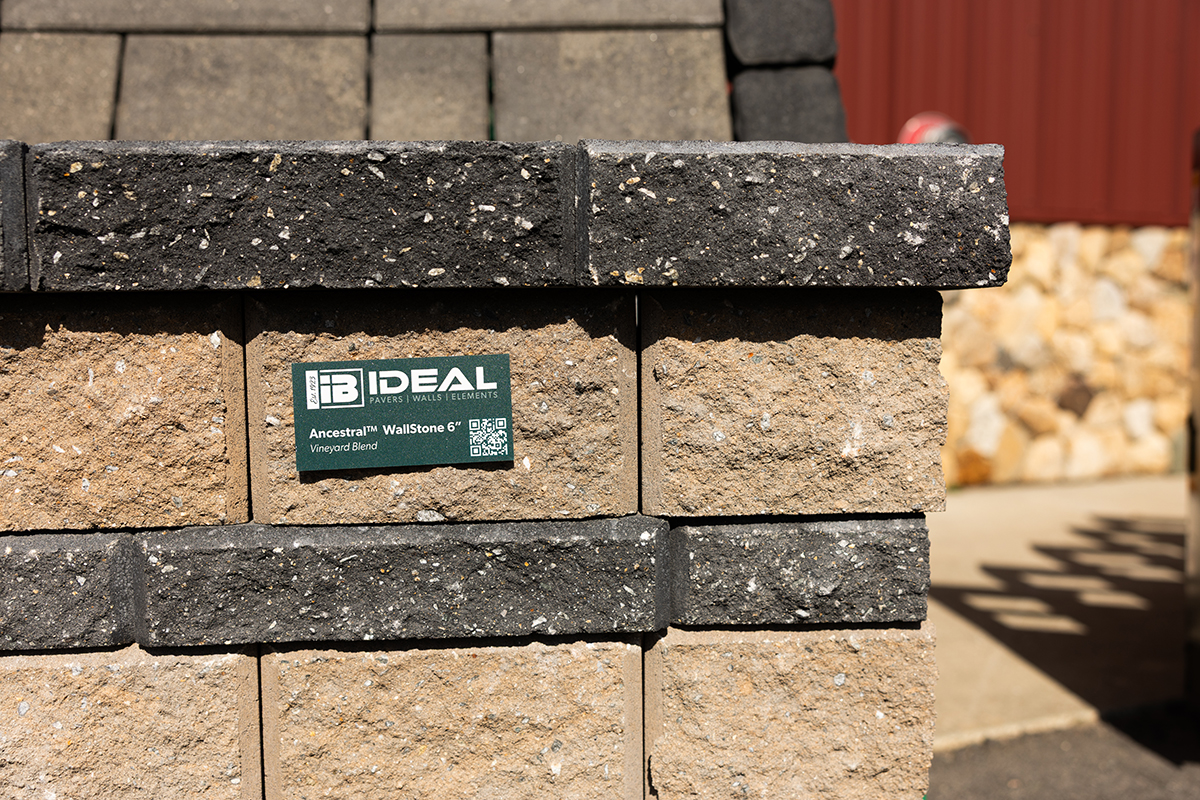
WallStone
CastStone
™
Rockface Coping
Fat Face
Fat Face
®
2.0
GravityStone
®
Olde Boston
™
Wall
Roman Pisa
®
Universal Coping
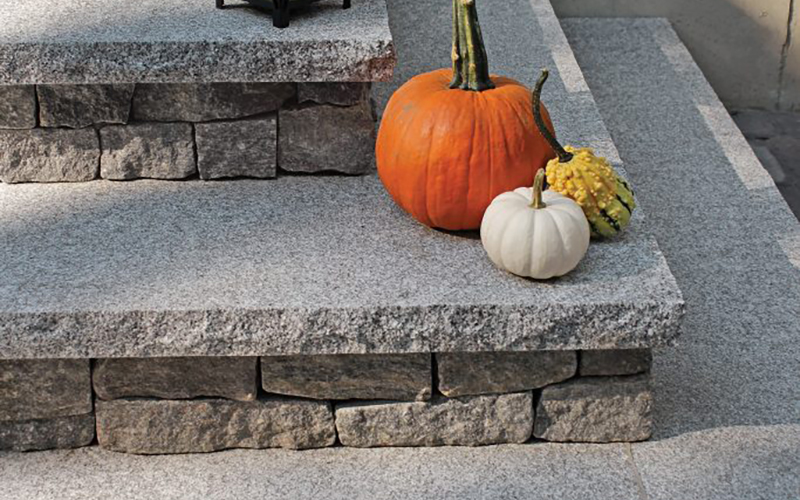
Natural Stone Steps & Treads
Natural Stone Veneer
Functionality and Maintenance
Durability: Concrete blocks are resistant to weathering and require minimal maintenance, making them ideal for long-term use.
Stability: Ensure blocks are laid on a stable base to prevent shifting. Use gravel or sand as a foundation where necessary.
Drainage: Proper drainage is crucial, especially for retaining walls and garden beds. Incorporate drainage pipes or gravel to facilitate water flow.
Concrete blocks are a practical and stylish choice for landscaping. By considering applications, presentation, and functionality, you can transform your outdoor spaces into beautiful and functional environments.